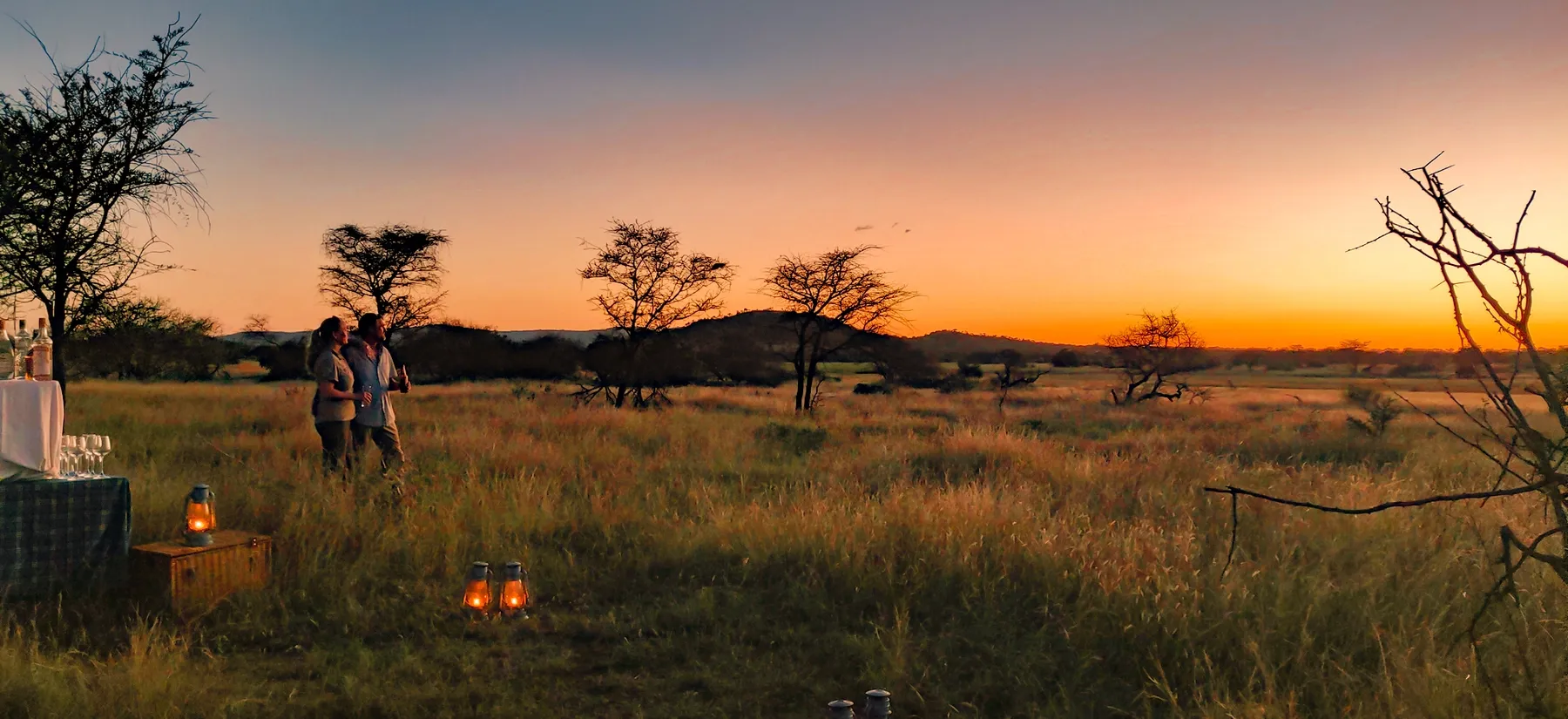
What is Serengeti National Park?
Serengeti National Park is a UNESCO World Heritage Site located in northern Tanzania. Covering nearly 15,000 square kilometers, it is famous for the Great Migration, incredible wildlife diversity, vast savannah landscapes, and some of the best safari experiences in Africa. More than 1.5 million wildebeest, hundreds of thousands of zebras, and numerous predators move through the ecosystem every year.
Why is Serengeti National Park Famous?
When people imagine a safari in Africa, they often picture the Serengeti in Africa. Endless golden grasslands, roaming lions, massive elephant herds, and dramatic predator encounters make this destination one of the most iconic wildlife reserves on Earth.
The Serengeti of Tanzania is renowned for:
- The Great Migration
- Exceptional game drives
- Big Five wildlife viewing
- Luxury safari lodges
- Hot air balloon safaris
- Diverse ecosystems
- Year-round safari opportunities
The park attracts travelers from around the world looking for an unforgettable Serengeti safari experience.
Where is Serengeti National Park Located?
Serengeti National Park Tanzania is situated in northern Tanzania and forms part of a larger ecosystem that stretches into Kenya’s Maasai Mara.
Many travelers refer to it as Tanzania’s Serengeti National Park, which highlights its importance as the country’s premier wildlife destination.
The ecosystem connects:
- Serengeti National Park
- Ngorongoro Conservation Area
- Grumeti Reserve
- Maasai Mara
- Northern migration routes
Together, these areas create one of the most important wildlife habitats in the world.
The Great Migration: Serengeti’s Greatest Attraction
No discussion of the Serengeti National Park in Tanzania is complete without mentioning the Great Migration.
Each year:
- Over 1.5 million wildebeest migrate
- More than 250,000 zebras join the journey
- Thousands of gazelles travel alongside the herds
The migration follows seasonal rainfall and fresh grazing opportunities.
Migration Timeline
- January – March: Calving season takes place in the southern plains.
- April – June: Herds move through the central Serengeti toward the Western Corridor.
- July – September: Dramatic Mara River crossings occur in the Northern Serengeti.
- October – December: Animals begin their return journey southward.
The migration between Serengeti and Mara ecosystems remains one of nature’s greatest spectacles.
Wildlife in Serengeti National Park
The park supports one of the richest concentrations of wildlife in Africa.
Visitors regularly spot:
- Lions
- Leopards
- Cheetahs
- African elephants
- Buffalo
- Rhinos
- Giraffes
- Hyenas
- Hippos
- Crocodiles
- Wildebeest
- Zebras
The Serengeti contains one of Africa’s largest lion populations and is considered among the best destinations for predator sightings.
Best Areas of Serengeti National Park
- Central Serengeti: The heart of the park and one of the best places for year-round wildlife viewing.
- Northern Serengeti: Known for Mara River crossings and migration action.
- Western Corridor: Famous for Grumeti River crossings and seasonal migration activity.
- Southern Serengeti: Best for calving season and predator encounters.
Each region offers a unique safari experience depending on the season.
Best Time to Visit Serengeti National Park
Dry Season (June to October)
The dry season is widely considered the best time for wildlife viewing.
Advantages include:
- Easier animal sightings
- Less vegetation
- Pleasant weather
- Excellent game drives
Green Season (November to May)
Benefits include:
- Fewer tourists
- Beautiful landscapes
- Birdwatching opportunities
- Calving season experiences
Both seasons offer incredible wildlife encounters.
Safari Activities in Serengeti National Park
Game Drives
Traditional game drives remain the most popular way to explore the park.
Morning and evening drives provide opportunities to spot predators, herbivores, and birdlife.
Hot Air Balloon Safari
A hot air balloon safari offers breathtaking aerial views of the Serengeti plain.
Watching sunrise over the endless plains is one of the most memorable experiences in Tanzania.
Walking Safaris
Guided bush walks allow visitors to experience nature at ground level.
Photography Safaris
The park is a paradise for wildlife photographers.
Where to Stay in Serengeti National Park
Tented Camps in Serengeti
Luxury and mid-range tented camps in Serengeti place guests close to wildlife while maintaining comfort and exclusivity.
Benefits include:
- Authentic safari atmosphere
- Exceptional wildlife viewing
- Guided safari activities
- Luxury accommodation options
Safari Lodges
Permanent lodges provide excellent facilities, dining experiences, and family-friendly amenities.
Suggested Safari Itineraries
5-Day Serengeti Safari Itinerary
A popular 5-Day Serengeti Safari Itinerary typically includes the following:
- Arusha
- Central Serengeti
- Northern Serengeti
- Ngorongoro Crater
This option is ideal for travelers with limited time.
7 Day Tanzania Safari
A comprehensive 7 Day Tanzania Safari usually covers the following:
- Tarangire National Park
- Lake Manyara
- Serengeti National Park
- Ngorongoro Conservation Area
This itinerary offers a complete Tanzanian safari experience.
Tanzania Safari Cost Breakdown
A realistic Tanzania Safari Cost Breakdown depends on the following:
- Travel season
- Accommodation level
- Safari duration
- Internal flights
- Group size
Average daily costs:
- Budget Safari: $250–$450
- Mid-Range Safari: $450–$900
- Luxury Safari: $900–$2,500+
Tanzania Safari Packing List
A complete Tanzania Safari Packing List should include the following:
- Neutral-colored clothing
- Comfortable walking shoes
- Binoculars
- Camera
- Sunscreen
- Hat
- Insect repellent
- Reusable water bottle
Packing appropriately helps maximize your safari experience.
Honeymoon Packages in Tanzania
Many couples choose Honeymoon Packages in Tanzania because they combine romance, adventure, and luxury.
Popular honeymoon experiences include the following:
- Private game drives
- Luxury tented camps
- Balloon safaris
- Bush dinners
- Zanzibar beach extensions
Why Serengeti National Park is a World Heritage Site
Serengeti National Park is recognized as a World Heritage Site because of its ecological significance, exceptional biodiversity, and the globally important Great Migration.
The park protects one of the last remaining large-scale natural ecosystems on Earth and plays a vital role in wildlife conservation.
Planning Your Serengeti Safari?
Ready to explore the legendary Serengeti?
Our expertly designed safari packages include luxury camps, professional guides, game drives, and personalized itineraries tailored to your interests.
Plan Your Serengeti Safari
Conclusion
Serengeti National Park is more than just a safari destination—it is one of the most extraordinary wildlife ecosystems on Earth. From the breathtaking Great Migration and thrilling predator sightings to unforgettable game drives across the endless plains, every moment in Serengeti National Park, Tanzania, offers a unique connection with nature.
Whether you want to witness the famous Serengeti Mara migration crossings, explore the remote Northern Serengeti, stay in luxury tented camps in the Serengeti, or follow a carefully planned 5-Day Serengeti Safari Itinerary or 7 Day Tanzania Safari, the park delivers an experience unlike anywhere else in Africa.
As a UNESCO World Heritage Site, Tanzania’s Serengeti National Park continues to attract wildlife enthusiasts, photographers, honeymooners, and adventure travelers seeking the ultimate African safari. With proper planning, the right accommodation, and a well-prepared Tanzania Safari Packing List, your journey through the Serengeti of Tanzania can become a once-in-a-lifetime adventure.
Whether you’re visiting for the Great Migration, Big Five sightings, a romantic getaway through Honeymoon Packages in Tanzania, or simply to experience the beauty of the Serengeti in Africa, this remarkable wilderness promises memories that will last forever.
People Also Ask and FAQs
- What is Serengeti National Park famous for?
It is renowned for the Great Migration, Big Five wildlife, and world-class safari experiences. - Where is Serengeti National Park located?
It is located in northern Tanzania and extends into the greater Serengeti-Mara ecosystem. - What is the best time to visit Serengeti National Park?
The dry season from June to October is generally best for wildlife viewing. - How many animals live in this Park?
Millions of animals inhabit the ecosystem, including wildebeest, zebras, lions, elephants, and giraffes. - Is Park worth visiting?
Yes. It is widely considered one of the greatest safari destinations in the world. - How large is Serengeti National Park?
The park covers approximately 14,763 square kilometers. - Can you see the Great Migration year-round?
Yes, but different migration stages occur in different regions throughout the year. - How many days should I spend in this Park?
Most travelers spend between 3 and 7 days. - Are hot air balloon safaris available?
Yes, hot air balloon safaris operate in several regions of the park. - Can I combine Serengeti with Zanzibar?
Absolutely. Many visitors combine a safari with a beach holiday in Zanzibar.